So I awoke on the morning of the Saturday with the realisation that in two days time, I was going to be participating in my first ever archaeological dig, and that I had only the vaguest idea where I had to go in the town of Ipplepen, Devon, England. Oh sure, I had been all over the damned thing in Google Maps and Google Street view, like a naughty boy sneaking into his parents wardrobe at Christmas time, and that I also had a map provided by the University of Exeter showing me exactly where I had to come to.
But I hate surprises, and I hate not being prepared, and I really hate roasted pumpkin, which is probably not all that relevant in this context, but at least it demonstrates the relevant level of loathing I have for the first two. In any case, I wanted to be prepared for this dig, so I decided to see what I could find out about the town of Ipplepen itself.

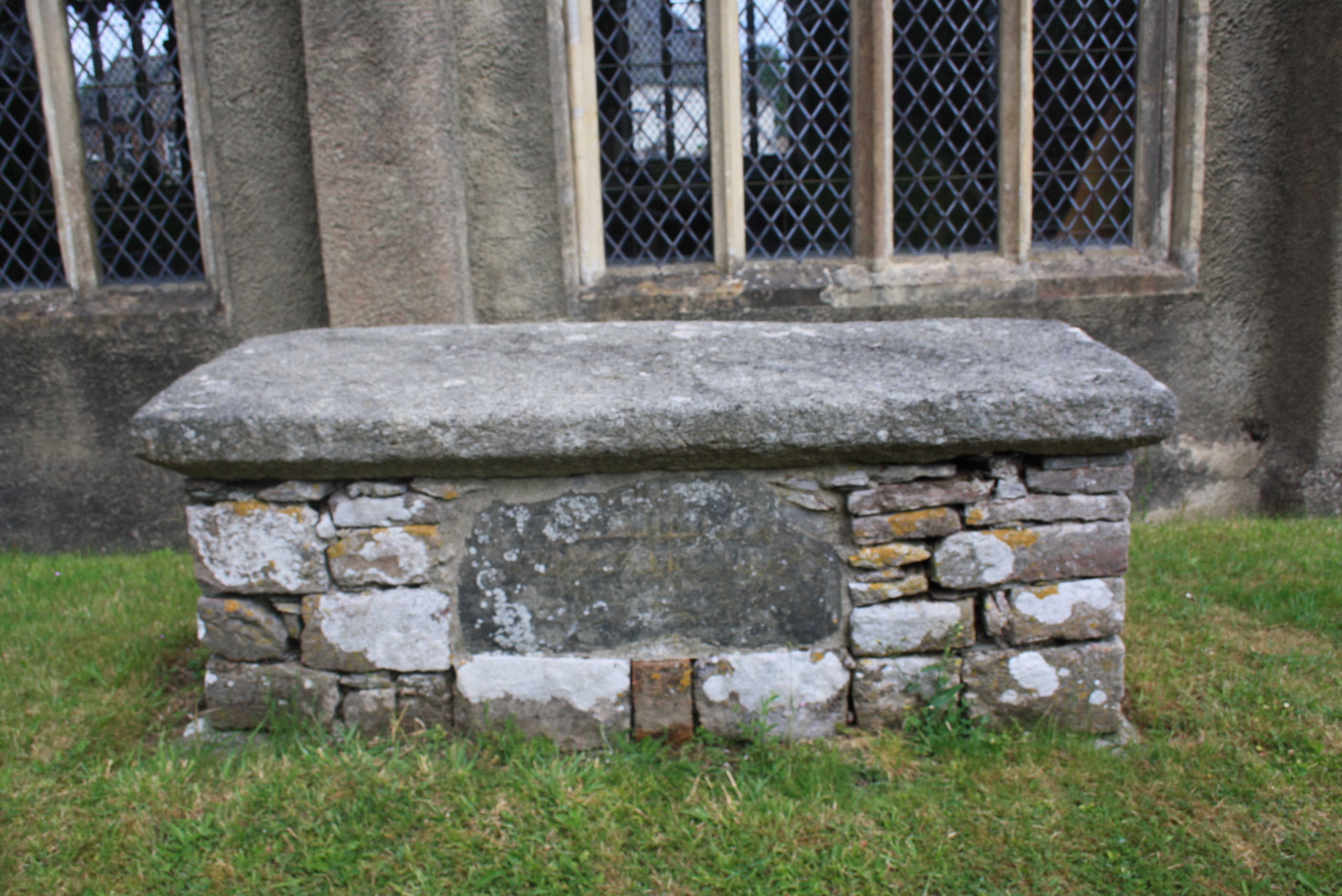
There’s a reason people put scary faces on these things.
The answer is “not a lot”. The town itself looks like a standard English rural village. Winding narrow streets, with small narrow buildings, some with thatched roofs, and right in the middle, a big arse church. I’ve got this book that came with a box of goodies that I got at Exeter Cathedral, which details all of the churches in Devon. The area is not that large, and you could drive across Devon north to south in around 2.5 hours. Often, you go to a place of interest, look in a direction, and physically see the next interesting thing worth looking at, and be at it within 20 minutes. It must have been so great for the feudal lords to be able to go out after breakfast, murder a bunch of peasants belonging to some other schmuck in the next valley, and be home in time for supper. Idyllic rural hijinx.
I walked around the town for about ten minutes, taking the odd happy snap here and there, before I wandered up a laneway which lead into the churchyard. It was cheery sort of place, really, with the birds chirping amongst the trees, themselves standing vigil over gravestones old and new. These markers to the deceased would have seemed oddly out of place were it not for the church plum in the middle. The church itself dates from 1440, and I found it a pity and a shame that it wasn’t open at the time I visited. Maybe God was at a meeting. Still, I had a wander through the churchyard, looking at headstones, and thinking to myself how much personal history there must be in this few thousand acres of township.
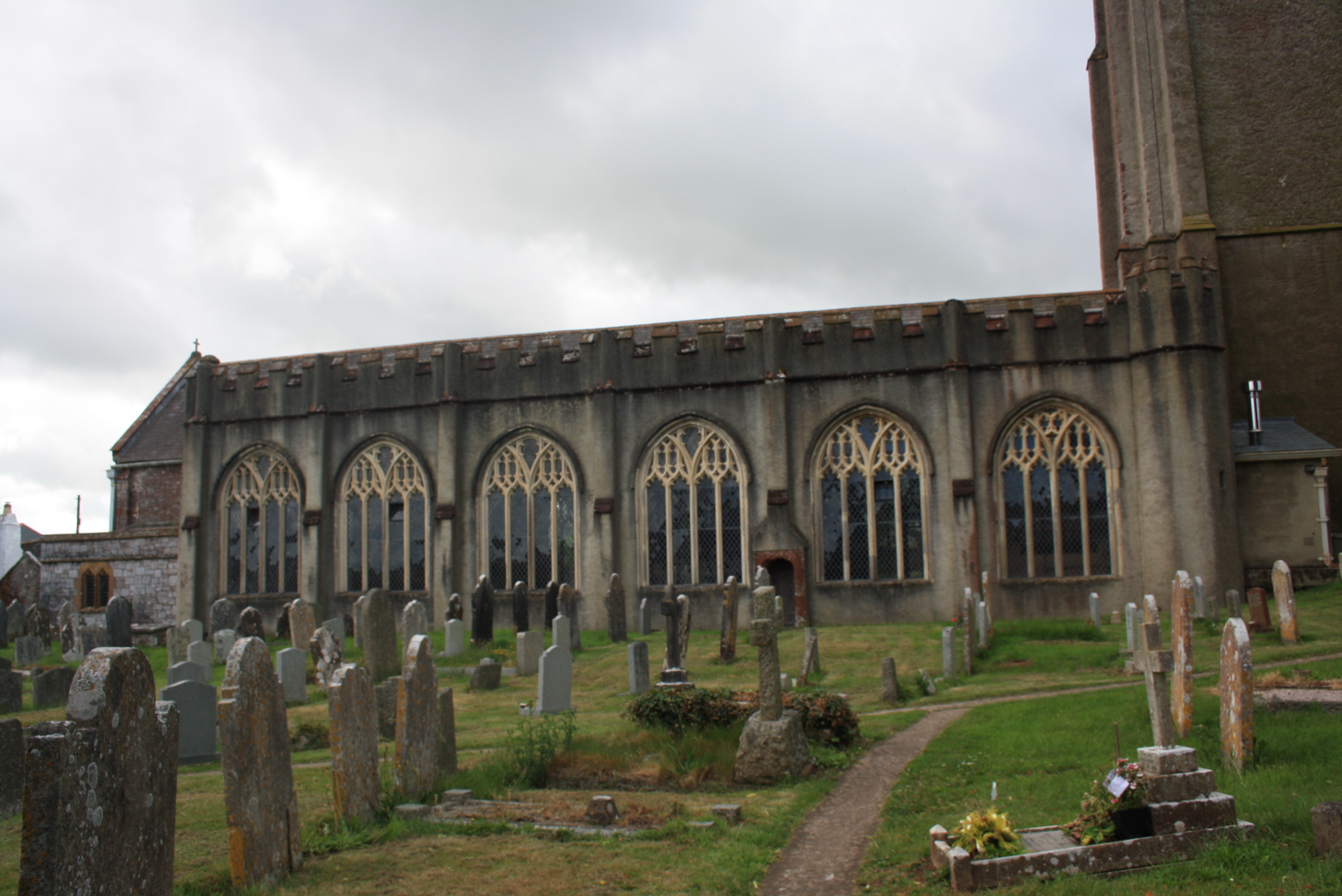
St Andrews at Ipplepen- 15th Century magnificence
Several people wandered through the churchyard while I was there. They must have thought I was a tourist as the camera was a reasonable giveaway. Perhaps a floral shirt, bermuda shorts and white socks with sandals might have completed the picture, but it occurred to me that I wanted to look as harmless as possible. What struck me (as has done several times since I got here) is the English fascination with their dogs. There are people everywhere, always walking their dogs. Three times while I was there, a different woman with a dog would walk through the graveyard. There would be a brief urination in a discrete part of the cemetery (the dog, not the woman), and then she’d leave as if pissing on the remains of the dead were as natural as breathing. So, unless these women were performing some sort of bizarre pass at me, I will chalk this one up as one of these quaint village things.

“Quick, Mavis, an eligible young bachelor has moved into number 36. Let’s go defecate in his letterbox.”
After my churchyard sojourn, I wandered back down the narrow laneway to the church and back into the main street of Ipplepen. I decided to have a look in the village General Store (which is also the post office, and probably serves as the bank, the unemployment agency and mortuary as well). I had the idea that if anyone knew about the history of the town, or knew where I could find it, it would would be the people in the General Store. Exactly what I was expecting the General Store to be like, I don’t know, but having been raised on British television I was thinking maybe Ronnie Barker’s “Open all hours”.
Fortunately, it was very much like that, with Ronnie Barker’s character being played by a nice looking redhead woman in her early twenties. There was no sign of David Jason. Locals came in, bought newspapers and left, and I felt sort of weird being the scruffy old guy in the sunglasses and fedora, like a CIA guy trying too hard to fit in. The young lady directed me to the local village newspaper – you know the ones; a few sheets of A4 paper paper folded together with a few articles and dates to remember, and some ads for local services – but it had mainly some stuff about the village council elections, a traditional ramble called the Beating of the Bounds, a local beer festival, and a small half page article about the forthcoming dig.
Unfortunately, even after she became a little bewildered and retrieved an old lady from out the back, I was none the wiser about the history of the town – all I had was what I had managed to research and remember before I left Australia, which was that the village a wholly unremarkable existence on the world stage for a very long time. I was fast thinking that it been a waste of a trip (with the exception of the Church visit), so I ambled down to my car and got back in. I then realised that I had to find out where I needed to go on Monday. I had previously worked out where to go on Google Maps and cleverly programmed it into my GPS, so I plugged in the route and I was quickly outside the front gate of where I was expected to go. It was certainly the place, since coming up the road you could see the finds tent already set up in the field, unless farmers have really downgraded the concept of a barn these days. I then tweaked the GPS settings to mark the exact spot I needed to head to.
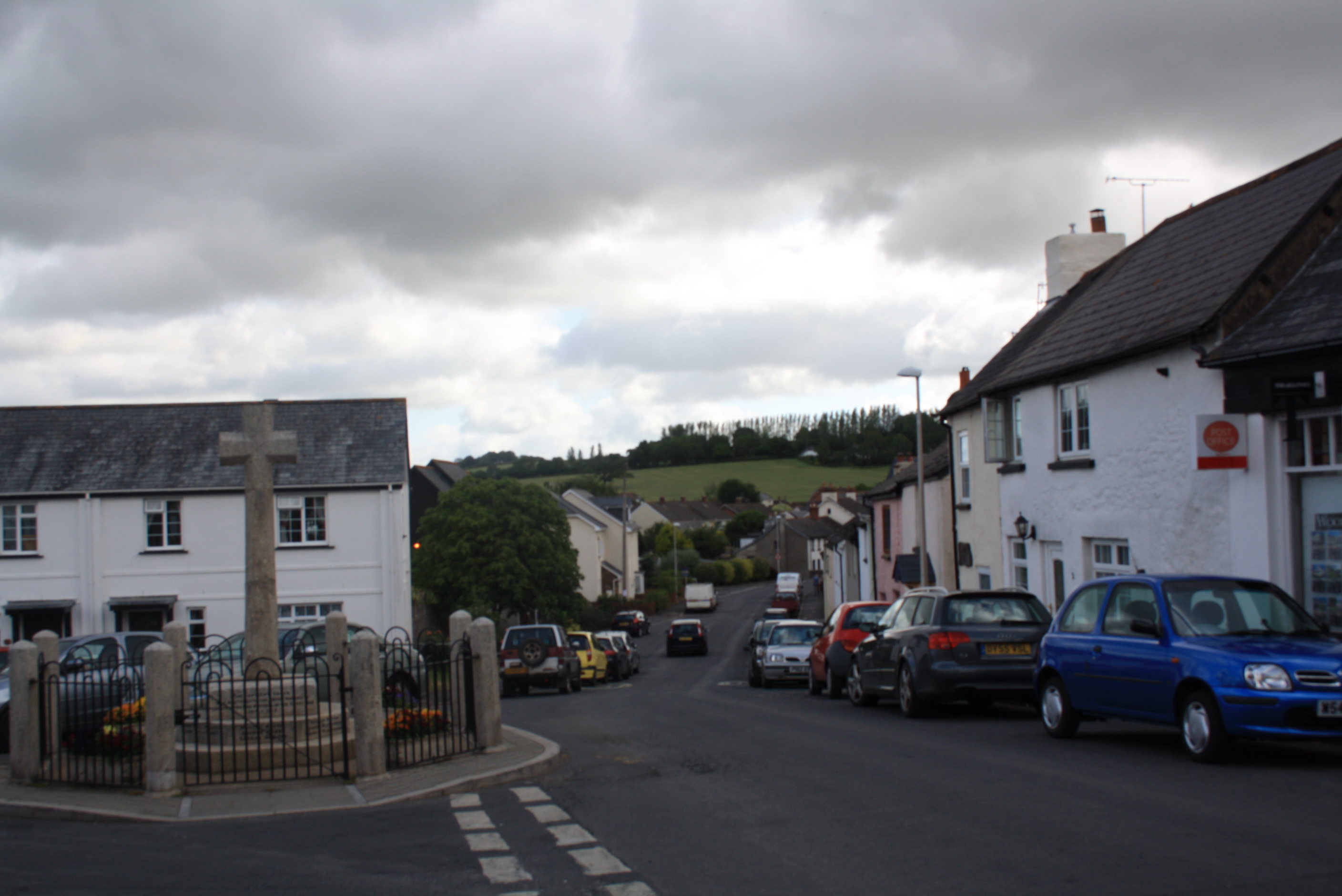
Ipplepen Village Center – with the General Store just out of shot to the right
It wasn’t too long after this, I decided do just a quick tour around the countryside. I might have remarked on the before, but the countryside around Devon is very, very pretty. There are wonderful little copses (this does not mean dwarf policemen, although if there are any, I am sure they are wonderful too), and the way they overhang the road with the dappled sunshine streaming through is picture postcard perfect in a lot of places, and I think I’d be happy just driving around taking photographs of these areas.
I eventually returned back to my lodgings. One thing I had given my family in the morning was the promise of some pictures of Paignton itself. I think I have talked about the town in previous blog posts, briefly, but now it’s time to expand on it a little. It’s a seaside resort town, but not what you’d call a typical resort. There are no beachfront hotels for a start, and no swimming pools that I can see. I suspect that this is because the weather, which I am told is being unseasonally good at the moment, prohibits actually prohibits swimming to about 2 weeks in a calendar year, which isn’t a great investment. The buildings are all classically British (really, I can’t think of a better word for it), and are three stories tall with a basement, and scrunched up to each other. The streets and parking are typically made for clown cars, and I’m often treated to the hilarious sight of five teenagers trying to look cool in a Morris Minor (or whatever the equivalent is these days).
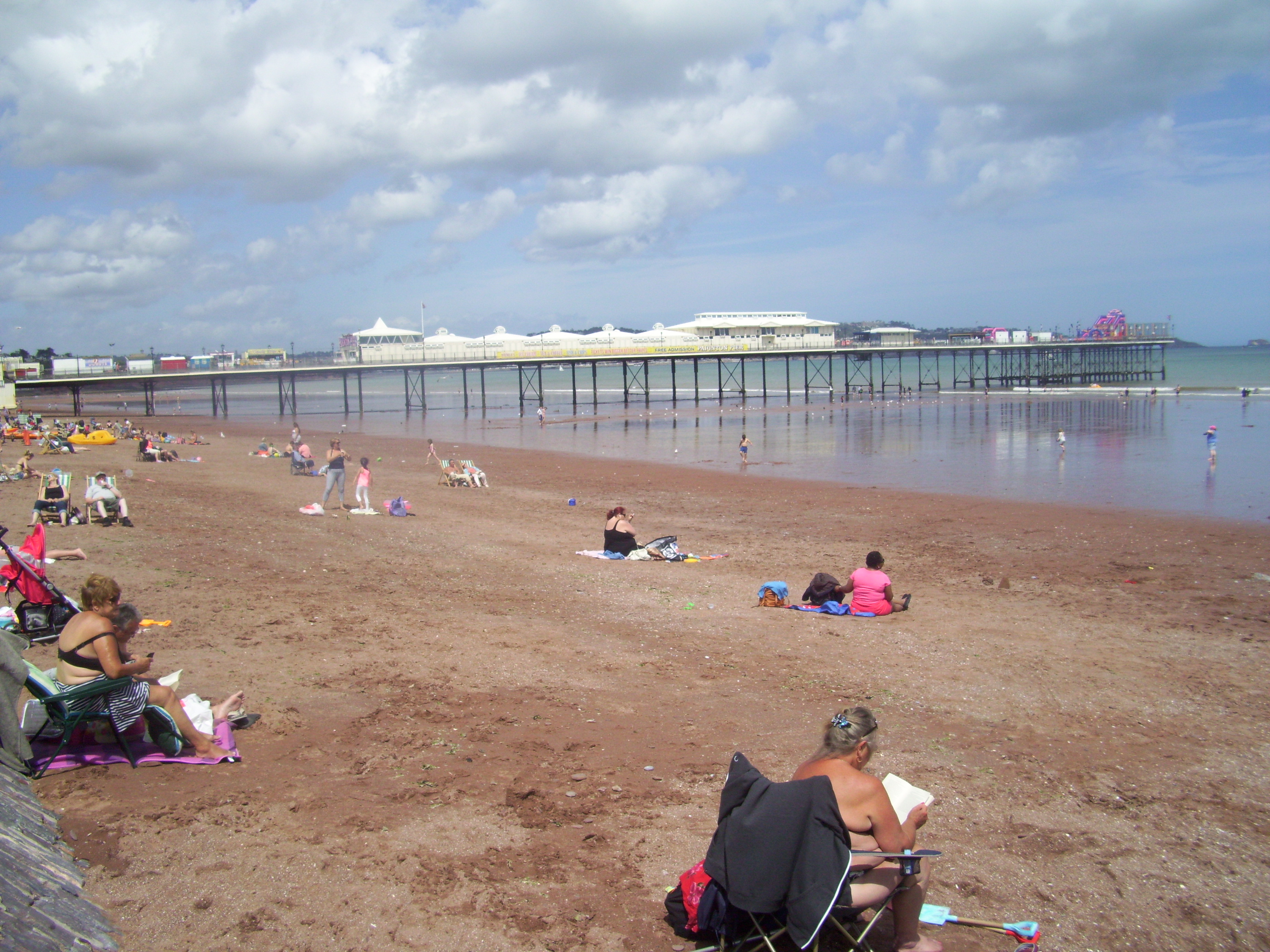
Paignton Peir, with mandated “penny arcade” – it took my wife to point out to me that the old lady in the foreground is apparently topless. Probably why the water itself appears to be retreating.
Because I am writing these blog posts days after the events, a statement one of the local volunteers at the archaeological dig springs to mind when I mentioned I was staying in Paignton.
“It’s a veneer.” he said “Only a couple of blocks are shiny, but everywhere is just decaying.” – and the sad thing, he appears to be right. The tourists who flock here in droves for the sun and sand (“Bucket and Spade Brigade” he called them) stick to the foreshore and a few streets off it, and otherwise take the train or drive out of Paignton to do things. I’ve had a couple of walks around as well as copious amounts of driving, and it’s like there’s a pall over the town which is glossed over in merry paints and lights. You can’t hide the homeless people sleeping in the doorways just off the main drag, or the beggars who sit on the path expecting money for looking unwashed. But I guess it’s no different to the place I call home (except the sand at home is the correct colour).
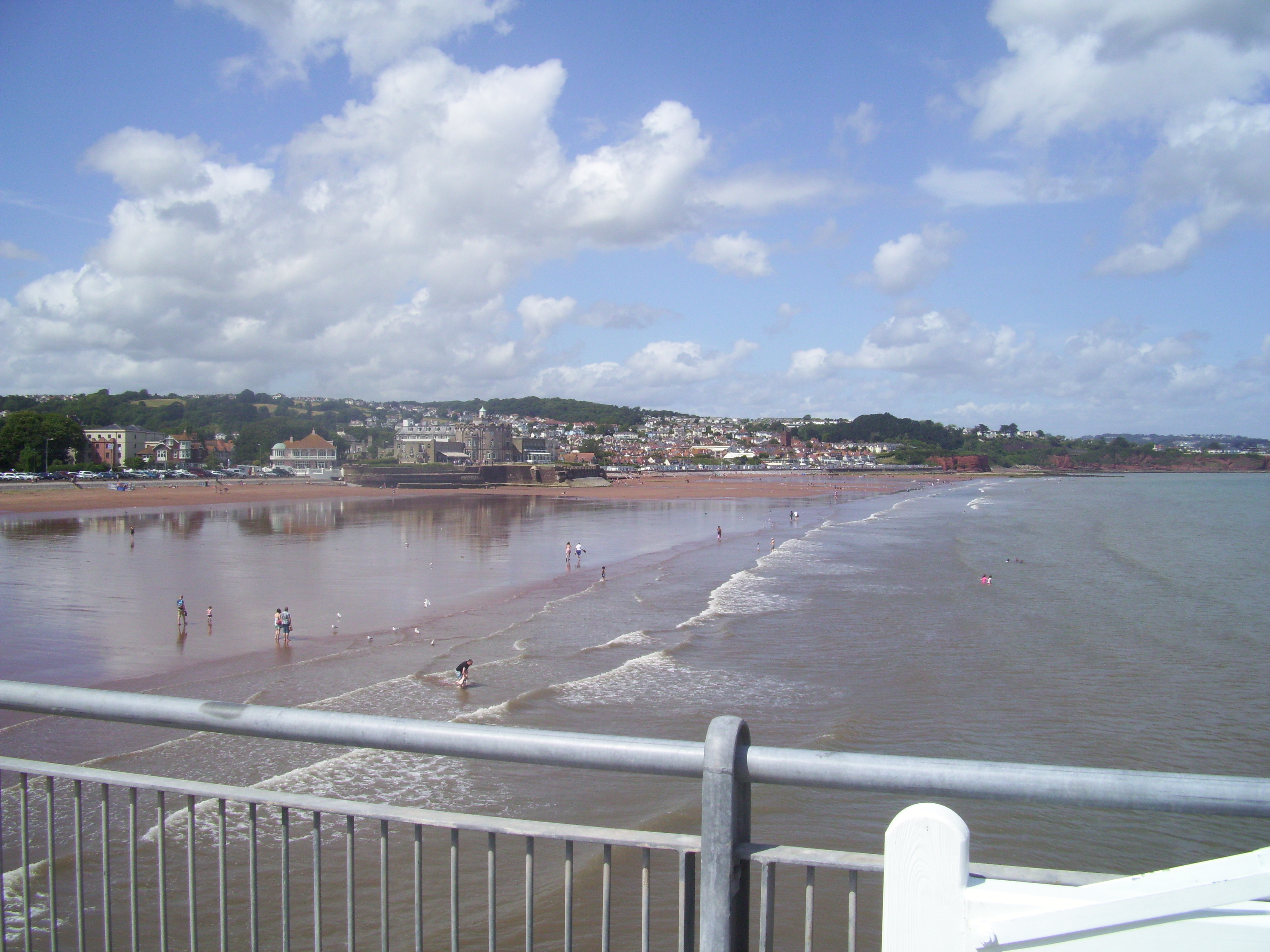
The English Riviera – kind of nice, for holidaying
However, my experience has not been negative one, far from it. My hosts at St Edmunds Guest House are nice people, happy for a chat, and will otherwise leave you alone to do your thing. The people on the street are friendly, the shopkeepers amiable, the police officers non-existent (haven’t seen a one walking, though the occasional car rolls by) and overall it’s a place where you can feel safe and take your kids. It’s a nice home base from which to explore the south west of England.